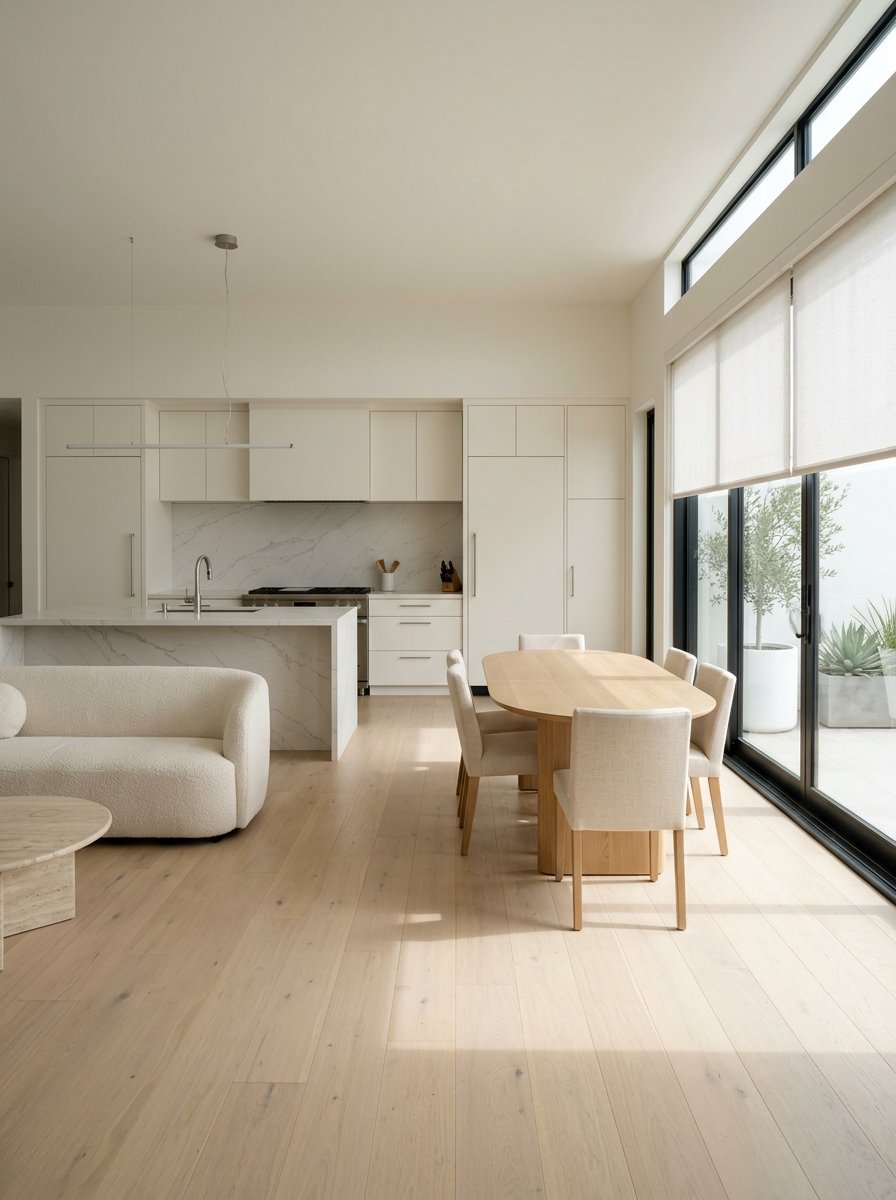
If your starter home feels tight and you dream of weekend bike rides to the wetlands or picnics at Central Park, Bolsa Landmark may be the move-up you have in mind. You want more space, a calm street, and quick access to nature without losing the Huntington Beach lifestyle you love. In this guide, you will see how to time your sale, choose a smart financing path, and use Compass tools to maximize your proceeds so you can land in Bolsa Landmark with less stress. Let’s dive in.
Why Bolsa Landmark stands out
Bolsa Landmark sits in west Huntington Beach near the 92648 pocket, close to the Bolsa Chica Ecological Reserve and Huntington Central Park. You can reach trails, lakes, and the beach with a quick drive or an easy bike ride. The Reserve offers guided walks and hands-on stewardship events that make weekend plans simple and meaningful. Explore programs and trails through the Bolsa Chica Ecological Reserve.
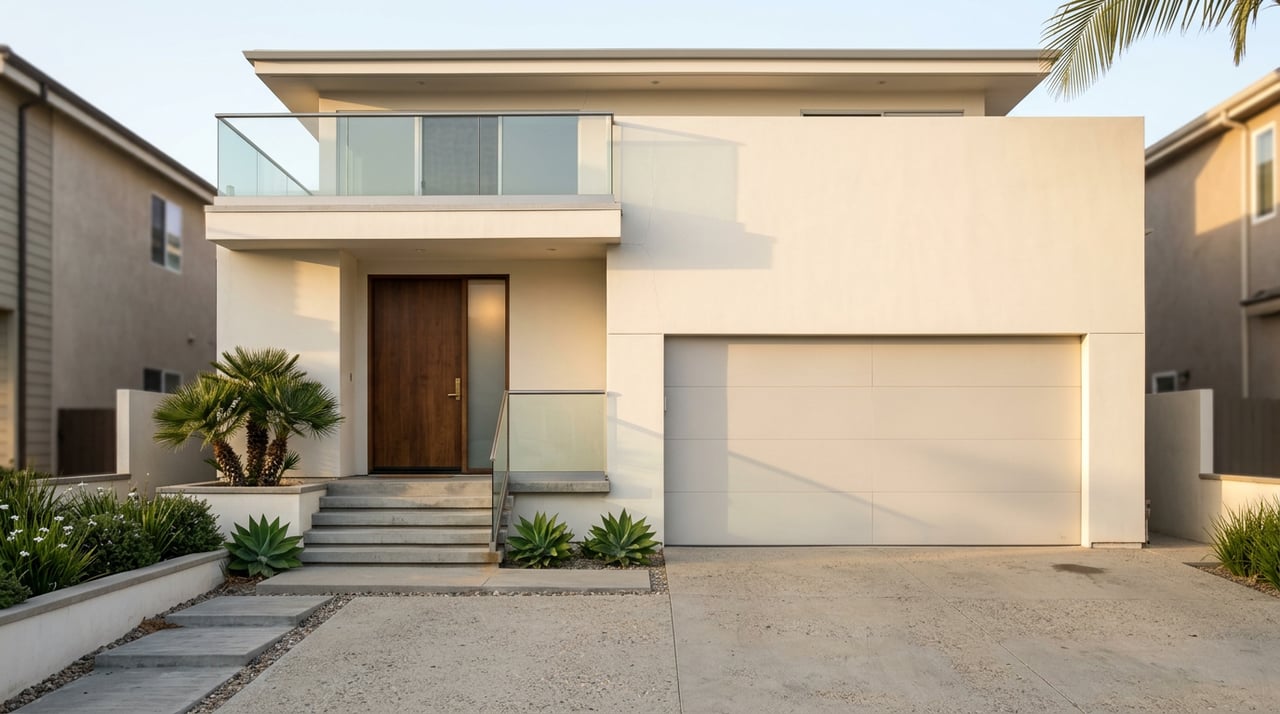
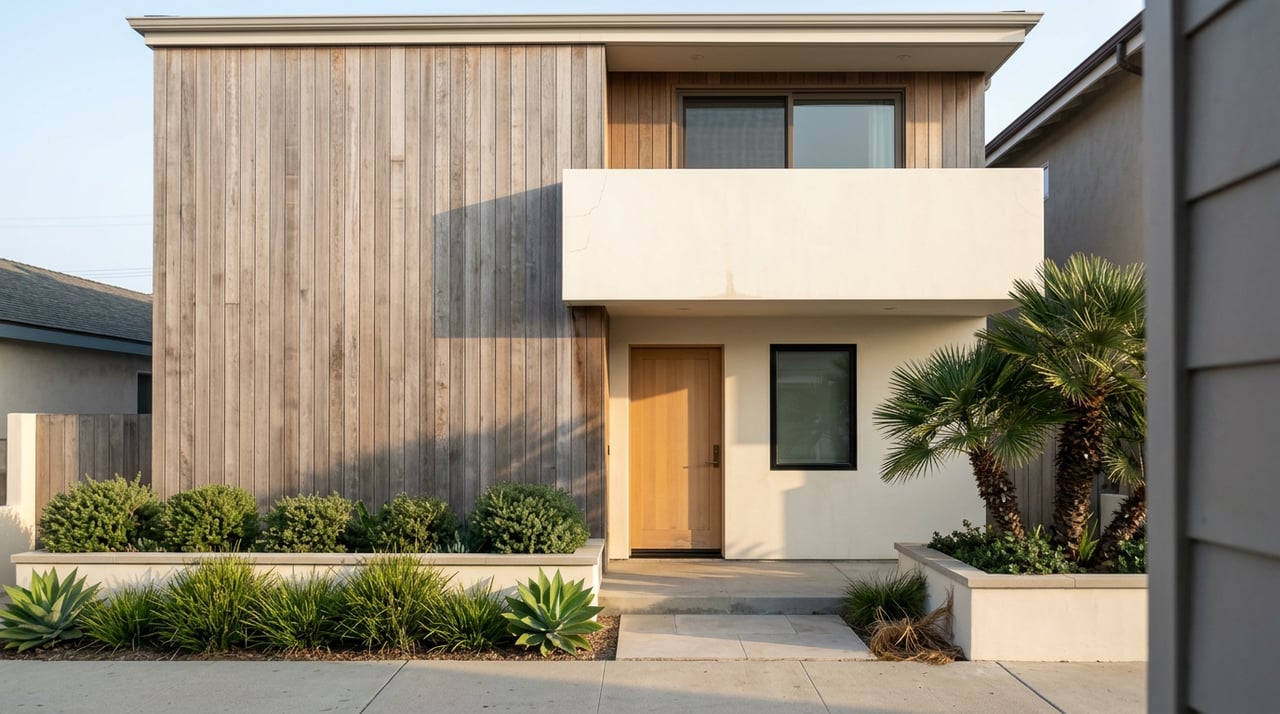
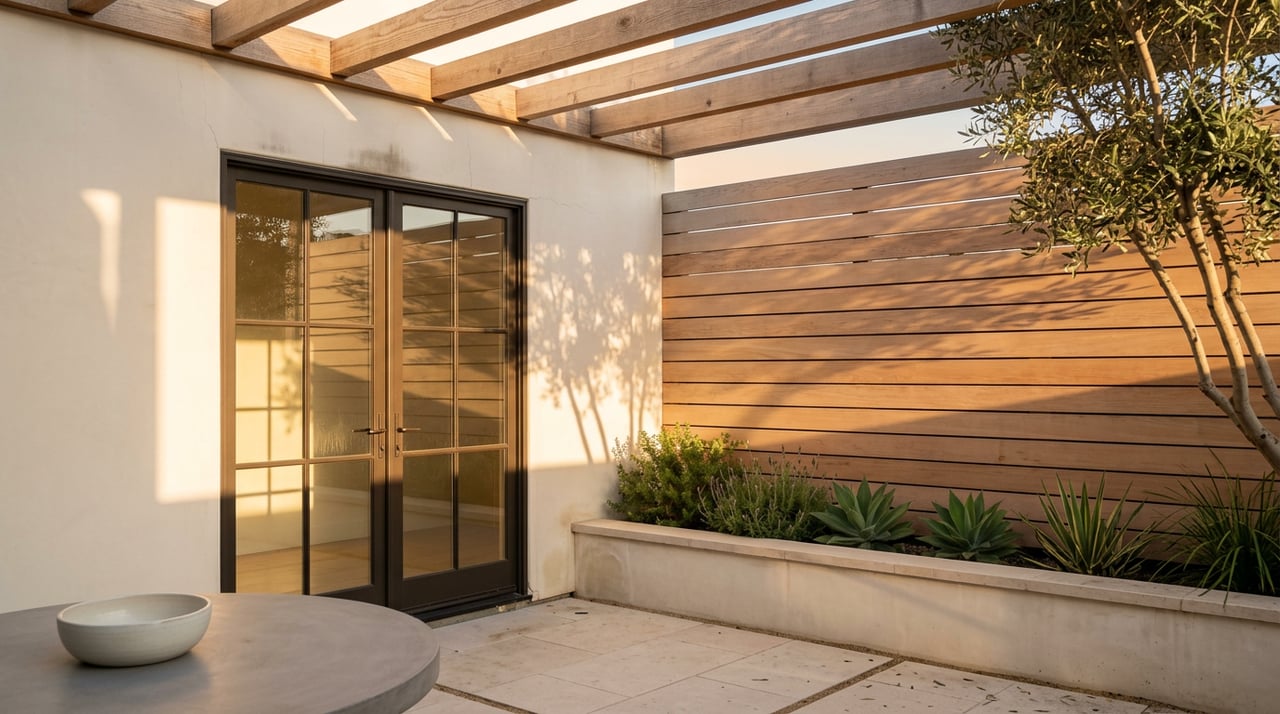
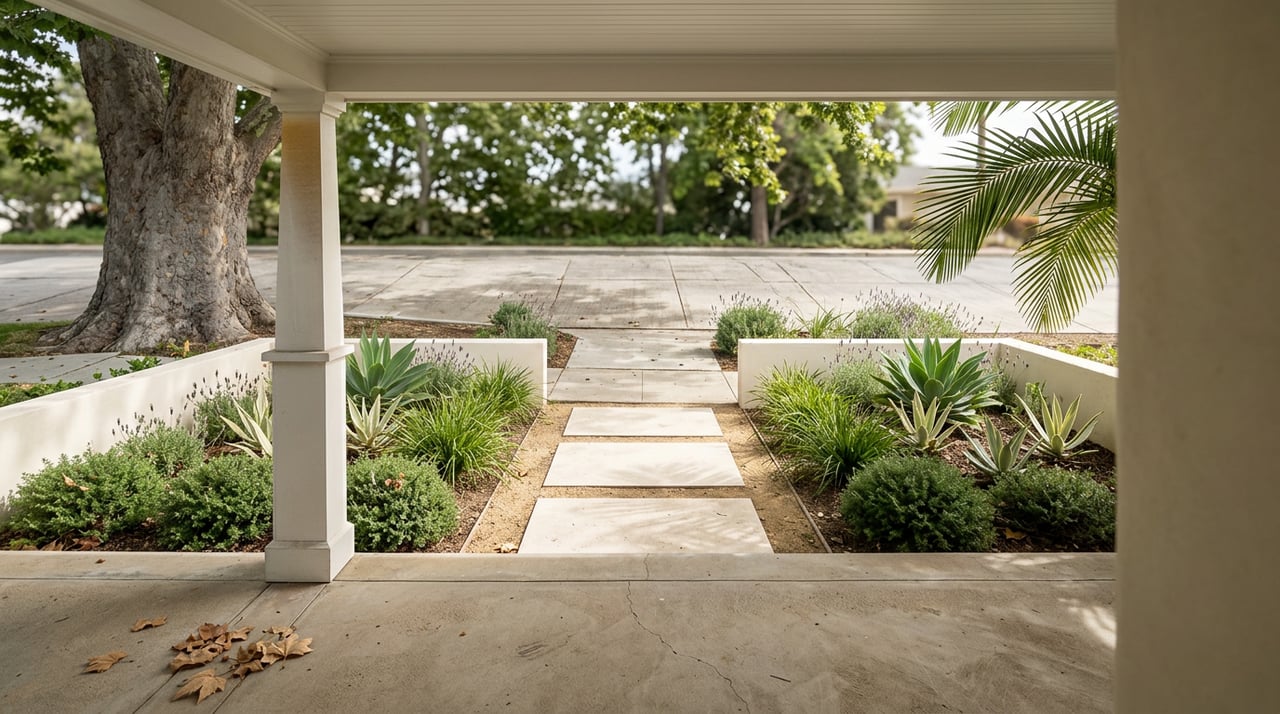
Homes here are mostly late 1970s to 1980s single-family plans, often around 1,900 to 2,800 square feet on lots near 6,000 square feet in many listings. The tract’s appeal is space, classic coastal architecture, and that daily connection to nature. Huntington Central Park, a 300 plus acre city park with lakes, the Shipley Nature Center, playgrounds, sports fields, and equestrian options, is another anchor benefit for growing families. Get a feel for the park’s amenities on the Huntington Central Park page.
Recent early 2026 listings and sales nearby suggest many Bolsa Landmark homes close in the high 1.8 million to low 2.1 million range, depending on condition and location. Always use a current local CMA and active comps before you list or write an offer.
Map your move-up plan
Moving from a starter home to a target neighborhood takes a clean plan. Start with three essentials: your equity, your monthly comfort level, and your timing around work and school.
Choose your buying and selling strategy
Pick the path that fits your finances and the pace of the market.
- Sell first. You list, accept an offer, close, then buy. Pros: you know your net proceeds and avoid carrying two homes. Cons: you may need temporary housing or a rent-back on your sale. This fits well if your starter home should sell quickly.
- Buy first with bridge or buy-before-you-sell programs. Options like bridge loans or trade-in services can help you write a non-contingent offer so you move once. Pros: stronger offers. Cons: program fees and the risk of holding two loans for a period. Review pros and cons of these services in this overview of buy-before-you-sell programs.
- Make a contingent offer. Your purchase depends on selling your current home. Pros: low upfront borrowing cost. Cons: weaker in competitive markets. Sellers may add a short kick-out period, often 24 to 72 hours, that forces you to remove the contingency or step aside. Learn the basics of contingencies and kick-out clauses in this contingent offer explainer.
- Back-to-back closings. You line up both escrows to close within days. Pros: your sale proceeds flow straight to your purchase. Cons: tight timelines leave little room for delays. Typical financed escrows still run about 30 to 45 days. See common contingency timelines in this California contingency guide.
Use this quick decision lens:
- Equity and cash: Do you have funds for a larger down payment or carrying two homes briefly?
- Debt-to-income comfort: Will bridge or HELOC payments fit your monthly budget?
- Market pace: In a competitive city, non-contingent offers are stronger. Talk to your agent about recent days on market in your price band.
- School calendar: Moves tied to school breaks tend to run smoother for families.
- Stress tolerance: Some paths reduce risk but add cost. Others save money but add complexity.
Timeline essentials in California
Contract timing is negotiable, but here are common practice ranges in financed deals:
- Inspection window: often 3 to 17 days depending on local custom and competitiveness.
- Loan and appraisal: commonly 17 to 21 days in many markets.
- Escrow closing: typically 30 to 45 days.
These are examples, not rules. Confirm exact days with your agent and lender. See more detail on standard windows in this contingency timing overview.
Make a contingent offer more attractive
If you need to write a contingent offer, craft it to reduce a seller’s risk.
Use a seller-friendly kick-out clause
A kick-out clause lets the seller keep marketing the home. If a better offer arrives, you get a short window to remove your sale contingency or step aside. That window is often 24 to 72 hours but must be negotiated and written into the agreement. Learn how kick-out clauses work in this contingent offer guide.
Tighten your contingency periods
Shorter inspection and loan timelines show commitment. Confirm with your lender that underwriting can meet the deadlines before you promise them. See common ranges in this California contingency explainer.
Strengthen your deposit and terms
A larger earnest money deposit and clear proof of funds can make your file more credible. Offer flexibility on the seller’s preferred closing date and consider a short free rent-back if it solves their move-out problem.
Consider backup offers and rent-backs
A backup offer is a signed agreement that becomes primary if the first deal falls through. A post-closing rent-back lets a seller stay in the home for a short period after close. If you use a rent-back, discuss deposit handling, move-out date, rent amount, and who carries insurance during the rent-back. Read more about these tools in this guide to contingent offers and tactics.
Prep to maximize proceeds with Compass
A move-up plan works best when your sale nets more. Compass tools and proven staging can help you do that.
Fund updates with Compass Concierge
Compass Concierge can front the cost of high-impact prep like painting, flooring, landscaping, repairs, and full staging. You repay at closing or per program terms. The goal is simple: improve your home’s presentation and market value without paying upfront. Program terms and vendor lists vary by market. Explore how it works on the Compass Concierge page.
Recommended improvements for starter homes often include:
- Fresh interior paint in light, neutral tones
- Floor refinishing or new carpet where needed
- Lighting updates and hardware refreshes
- Landscape cleanup and curb appeal tune-ups
- Professional staging and deep cleaning
Pre-market the smart way
Compass offers a phased launch that reduces public days on market while you finish prep.
- Private Exclusive: quietly test price and collect feedback within the Compass network.
- Coming Soon: expand visibility on Compass.com and build early interest.
- Full MLS: go live publicly with professional media once ready.
Compass analysis has associated pre-marketing with stronger outcomes, including an example of a 2.9 percent higher closing price for pre-marketed listings in their data. Learn about the workflow on Compass Coming Soon.
Stage for Bolsa Landmark buyers
Staging helps buyers see how they will live in the home. The National Association of REALTORS reports that staging frequently reduces time on market and that a meaningful share of agents see offers rise by 1 to 10 percent compared to similar unstaged homes. See highlights in NAR’s home staging research summary.
For Bolsa Landmark move-up buyers, focus on:
- Living room and kitchen sightlines that feel open and bright
- Primary bedroom that signals calm and space
- Entry and circulation areas that photograph well
- Curb appeal that looks clean and coastal
Budget guidance varies by home, but a full prep and staging plan can range from a few hundred dollars for light touch-ups to around 1 to 3 percent of list price for broader updates. Your actual spend should be guided by recent comps and expected return.
Family logistics that lower stress
Plan school enrollment and transfers
Many west Huntington neighborhoods feed into Seacliff Elementary and Huntington Beach secondary schools. Always confirm exact attendance boundaries and transfer options for your new address directly with the district. You can review project information for Seacliff Elementary here and contact the district for current maps and rules: Seacliff Elementary project page.
Tips for a smoother move with students:
- Aim for a closing that lines up with school breaks when possible.
- Request final transcripts and records early.
- Schedule pediatrician, dentist, and specialist file transfers.
- Consider short-term childcare help the week of the move.
Build a right-sized moving timeline
- 8 weeks out: interview movers and book storage if you plan to sell first. Create a room-by-room declutter list.
- 6 weeks out: start Compass Concierge improvements, order staging, and schedule listing photos.
- 4 weeks out: begin pre-marketing. Lock lender pre-approval and funds verification.
- 2 weeks out: pack non-essentials. Set up utilities and insurance for the next home.
- Closing week: confirm keys, movers, and a clean handoff between escrows. If you need it, use a short rent-back to avoid a rushed move.
Mind coastal insurance details
Huntington Beach has low-lying areas with coastal flood exposure and king-tide concerns. Ask your insurance provider about flood and coastal hazard coverage and get a property-specific flood risk check when you evaluate any Bolsa Landmark address. Your lender and insurer can advise on requirements and costs.
What your budget might include
Every plan is unique, but here are common categories to discuss with your agent and lender:
- Prep and staging: light refresh to broader updates. Many sellers invest 1 to 3 percent of list price for comprehensive work when the expected return justifies it.
- Carry costs: if you buy first, budget for temporary overlap on mortgage, taxes, insurance, and utilities.
- Program costs: bridge loans or buy-before-you-sell services charge fees and have eligibility rules. Review terms carefully and compare to a HELOC or traditional financing. See an overview of program trade-offs.
- Transaction fees: escrow, title, inspections, and appraisal are standard. Your agent can estimate all-in closing costs for both sale and purchase.
Local resources you will use
- Bolsa Chica Ecological Reserve programs and tours: Bolsa Chica Conservancy
- Huntington Central Park activities and amenities: Central Park guide
- School boundary and enrollment questions: start with the Seacliff Elementary project page and contact the district directly for current maps and options
- Compass Concierge program details: Compass Concierge
- Compass pre-marketing workflow: Compass Coming Soon
Your next steps
- Request a local CMA and pricing plan for your starter home and target Bolsa Landmark homes.
- Meet with your lender to model buy-first, sell-first, or contingent paths and get fully pre-approved.
- Map a prep timeline using Compass Concierge and a staged launch so you can go live at peak presentation.
- Set your move window around school and work, and lock a backup plan like storage or a short rent-back.
When you are ready to plan your move into Bolsa Landmark, reach out for a neighborhood-specific strategy, a Compass-powered prep plan, and a calm path to closing. Start the conversation with Kevin Sullivan today.
FAQs
How competitive is buying in Bolsa Landmark right now?
- Competitiveness shifts month to month, but Huntington Beach has recently seen multiple-offer activity in several price bands. Ask your agent for a fresh CMA and days-on-market snapshot before you write an offer.
What does a kick-out clause mean in a contingent offer?
- It allows the seller to keep marketing the home and accept other offers. If triggered, you get a short period, often 24 to 72 hours, to remove your sale contingency or step aside, with exact timing negotiated in the contract.
How long do California escrows and contingencies usually take?
- Financed escrows often run about 30 to 45 days. Inspection windows can be as short as a few days in hot markets, and loan or appraisal windows commonly run 17 to 21 days, all subject to negotiation.
How does Compass Concierge help me net more on my sale?
- Concierge can front the cost of improvements like paint, floors, landscaping, repairs, and staging. You repay at closing or per program terms, which helps you list at peak presentation without paying upfront.
Are there flood or insurance considerations near Bolsa Chica?
- Yes. Some coastal areas are exposed to flood and king-tide risks. Speak with your insurer and lender early about coverage, and get a property-specific flood risk review for any address you are considering.
What home sizes and prices are common in Bolsa Landmark?
- Many homes were built in the late 1970s to 1980s, with plans often around 1,900 to 2,800 square feet on lots near 6,000 square feet. Recent early 2026 activity shows closings in the high 1.8 million to low 2.1 million range, depending on condition and location.