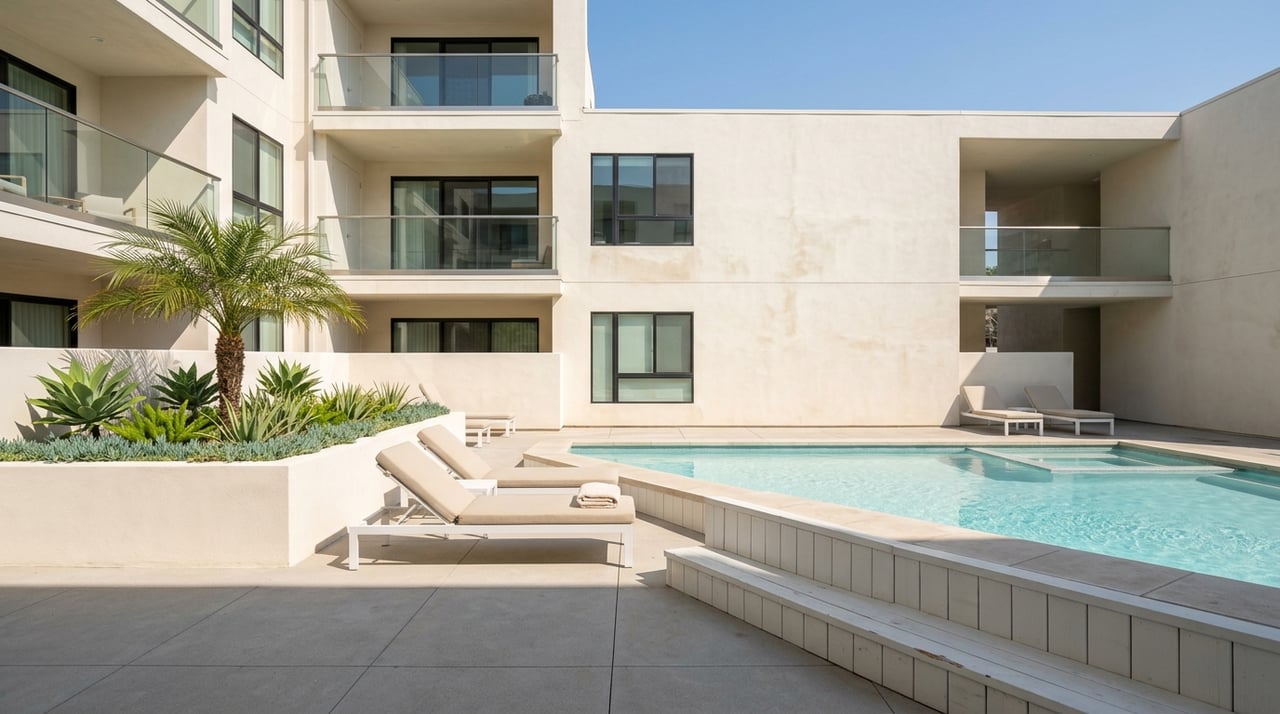
If you picture condo living in Downtown Huntington Beach as nonstop ocean breezes and easy beach walks, you are not wrong, but that is only part of the story. Living here can feel vibrant, convenient, and low-maintenance, yet it also comes with real tradeoffs like HOA dues, parking logistics, and more activity around your home. If you are thinking about buying in this part of Huntington Beach, knowing what daily life actually looks like can help you choose the right building and unit with confidence. Let’s dive in.
Downtown condo living feels different
Downtown Huntington Beach is not just another coastal neighborhood. The city describes it as the historic heart of Huntington Beach and a pedestrian-oriented destination centered around the pier, Main Street, Pacific Coast Highway, and nearby blocks.
That planning approach shapes the condo experience in a big way. You get a compact, walkable setting with easy access to restaurants, shops, the beach, and local activity, but you also tend to feel more traffic, visitor flow, and parking pressure than you would in inland areas.
Walkability is a major lifestyle perk
One of the biggest reasons buyers choose a downtown condo is convenience. Depending on the building, you may be able to leave your car parked and walk to the beach, Main Street, casual dining, coffee shops, and everyday errands.
That kind of walkability can make condo ownership feel simple and fun, especially if you want a beach-close home without the upkeep of a detached property. For many buyers, that tradeoff is exactly the appeal.
Price points can be higher than expected
Downtown Huntington Beach condo pricing reflects both location and lifestyle. A recent Redfin snapshot showed 17 downtown condos for sale with a median list price of about $1.31 million.
That number is helpful because it shows where many buyers are starting in this market. Even when units vary by size, age, and finish level, the downtown setting itself carries meaningful value.
HOA living is part of the package
In California, condo ownership usually means you own your individual unit and share ownership of common areas through a homeowners association. Membership in the HOA is automatic, so you should expect dues, rules, reserve funding, and association-related insurance to be part of ownership.
In practical terms, that means your monthly cost is not just your mortgage, taxes, and insurance. You also need to budget for HOA assessments and understand what the building expects from owners.
What HOA dues may cover
Downtown buildings vary a lot in what they offer. Based on recent public listings, some associations include amenities such as:
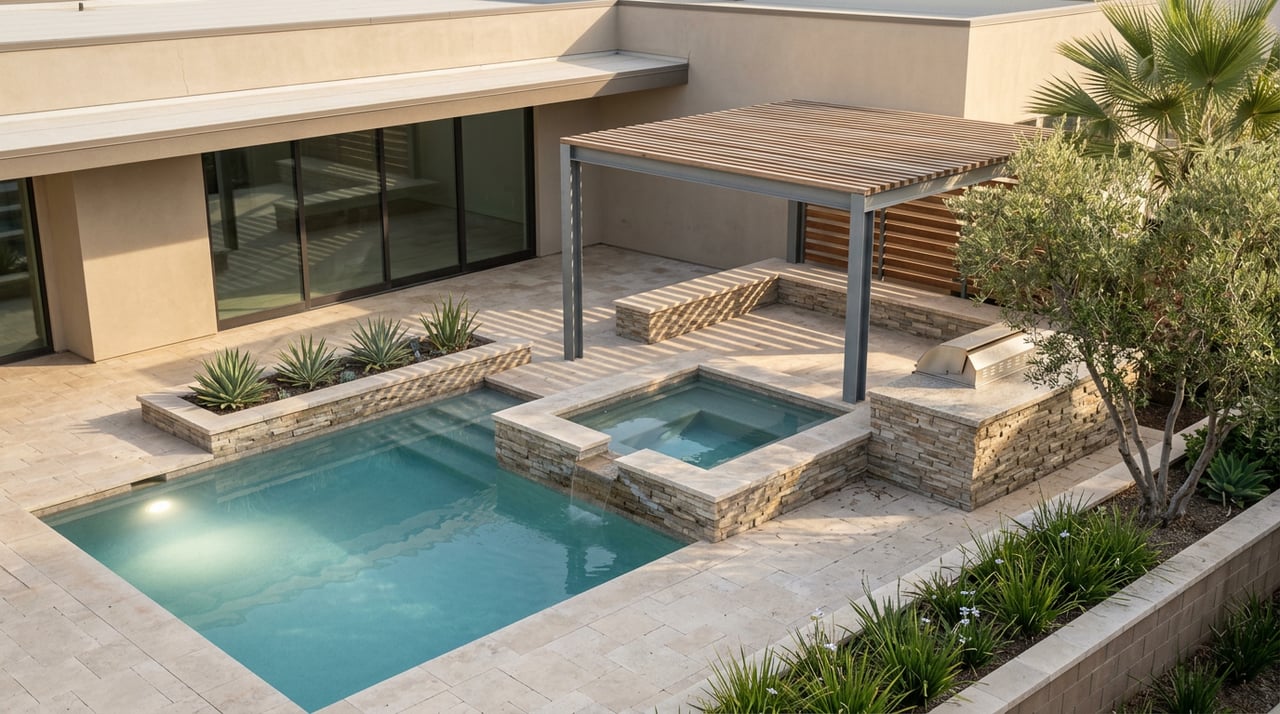
- Pool and spa access
- Fitness center
- Clubhouse or community room
- Controlled access or guard/security features
- Storage areas
- Underground or attached parking
- Guest parking passes
That is why two buildings with similar locations can feel very different in both cost and daily convenience. A higher HOA may come with better parking, newer systems, or a stronger amenity package.
Why HOA documents matter
Before you buy, look closely at the HOA's CC&Rs, reserve levels, dues, and rental rules. These details affect your budget, your lifestyle, and your long-term flexibility.
This matters even more downtown, where buildings can differ sharply in age, upkeep, parking design, and owner-use restrictions. A great location does not automatically mean the building is the right fit for how you want to live.
Building age shapes the experience
Downtown Huntington Beach has a mix of condo buildings from different eras, and each tends to offer a different feel. Older oceanfront and near-pier buildings from the 1960s through the 1980s often win on location first.
Examples from recent public information include The Huntington Pacific from 1965 on the sand, Pier House from the late 1980s across from the beach, and Pier Colony from the late 1980s to around 1990 near the pier and Main Street. Newer or later product includes communities like Plaza Almeria and Townsquare, while ShoreHouse stands out as the first new-construction condo building downtown in more than two decades.
Older buildings often offer prime positioning
In many downtown condo searches, location can outweigh building age. Recent listing examples suggest that homes very close to the beach or pier can command strong pricing even when the building is older.
That does not mean every older unit is the same. It means you should weigh the full picture, including view, noise exposure, parking, layout, and building maintenance, rather than focusing only on the construction year.
Newer buildings may compete on finish and function
Newer downtown condos often appeal to buyers who want updated design, larger floorplans, and more modern parking setups. In a place where daily convenience matters, details like side-by-side parking, secure access, and in-unit finishes can make a real difference.
If you want a more polished, lower-maintenance feel, newer construction may be worth the premium. If your top priority is direct beach proximity, an older building may still check more boxes.
Parking is one of the biggest real-world issues
For many buyers, parking is the most important practical question downtown. The city notes that parking demand is especially heavy in Downtown and at the beach, and it operates lots and garages in these areas while also using residential permit parking programs in some nearby residential areas.
That means you should never assume parking will be easy just because you are buying a condo. The exact parking setup of the unit and building matters a lot.
Questions to ask about parking
Before you make an offer, ask:
- Are the spaces assigned?
- Are they tandem or side-by-side?
- How many spaces come with the unit?
- Is guest parking available?
- Are guest passes included?
- Will visitors likely need to rely on street parking?
- Is the parking gated, underground, or attached?
Those answers can affect your day-to-day convenience more than a cosmetic upgrade ever will. Downtown living works best when the parking situation matches your routine.
Noise comes with the location
Downtown Huntington Beach is designed to be active and pedestrian-friendly, so a quieter, tucked-away feel is not guaranteed. Homes near Main Street, Pacific Coast Highway, the pier, or busy pedestrian routes are generally more exposed to ambient activity.
The city does regulate noise and sets standards for intrusive noise, loud gatherings, and construction timing. Still, from a lifestyle standpoint, buyers should expect that lower-floor or street-facing units are often more affected by everyday downtown energy than inland or courtyard-facing homes.
Unit location inside the building matters
Two condos in the same complex can live very differently. A unit facing the street may feel livelier, while a courtyard-facing or interior-facing unit may feel more buffered.
If you are sensitive to noise, this is worth paying attention to during your search. It is not just about the building address. It is about where the unit sits within that building.
Short-term rental rules are more limited than many expect
Some buyers assume a downtown beach condo can easily double as a short-term rental. In Huntington Beach, that assumption can lead to disappointment if you do not review the local rules first.
The city allows short-term rentals in owner-occupied residential units in Zone 1, which includes Downtown, and in Sunset Beach. Unhosted short-term rentals are only allowed in Sunset Beach, not in Downtown Huntington Beach.
What that means for downtown buyers
If you are buying downtown, you should not assume you can use the property as a flexible vacation rental investment. A valid annual permit is required, the host must provide a guest parking plan, and condo association rules may be stricter than city rules.
The permit conditions also limit occupancy to two people per bedroom plus two additional guests, with a maximum of 10 people total, and large events are prohibited. For many buyers, that makes a downtown condo a better fit as a personal residence, second home, or long-term hold rather than a wide-open short-term rental play.
What to weigh before you buy
Downtown condo living can be a great fit if you want a low-maintenance coastal lifestyle with strong walkability. It can be especially appealing if you value being close to the beach and enjoy the energy of a central, active part of the city.
At the same time, the best purchase decisions usually come down to a few practical details. Before you move forward, focus on:
- Exact location relative to Main Street and the pier
- HOA dues and what they include
- Building rules and rental policies
- Parking type and guest parking access
- Building age and maintenance profile
- Unit position within the building
- Your comfort with activity and ambient noise
The right condo is not always the newest one or the closest one to the sand. It is the one that fits how you actually want to live.
If you are comparing downtown condo options in Huntington Beach, a local, building-by-building perspective can save you time and help you avoid expensive surprises. The team at KND Real Estate Group can help you evaluate location, parking, HOA structure, and day-to-day livability so you can buy with clarity.
FAQs
What is condo living like in Downtown Huntington Beach?
- Condo living in Downtown Huntington Beach is typically walkable, beach-close, and lower-maintenance than owning a detached home, but it also often includes HOA dues, parking limitations, and more activity than inland neighborhoods.
How much do Downtown Huntington Beach condos cost?
- A recent Redfin snapshot showed 17 downtown condos for sale with a median list price of about $1.31 million, though pricing varies based on size, building age, location, and proximity to the beach or pier.
Do Downtown Huntington Beach condos have HOA fees?
- Yes. In California, condo ownership typically includes automatic HOA membership, which means you should expect monthly dues along with association rules, reserve funding, and shared common-area responsibilities.
What amenities do Downtown Huntington Beach condo buildings offer?
- Amenities vary by building and may include pools, spas, fitness centers, clubhouses, storage, controlled access, underground parking, attached garages, and guest parking passes.
Is parking difficult in Downtown Huntington Beach condos?
- Parking can be one of the biggest practical challenges because the city identifies Downtown and beach areas as places with especially heavy parking demand, so buyers should closely review assigned spaces, guest parking, and street parking reliance.
Are Downtown Huntington Beach condos noisy?
- Some can be, especially lower-floor or street-facing units near Main Street, Pacific Coast Highway, or the pier, where everyday pedestrian and vehicle activity tends to be higher.
Can you use a Downtown Huntington Beach condo as a short-term rental?
- Not freely. In Downtown Huntington Beach, short-term rentals are allowed in owner-occupied residential units in Zone 1 with a valid annual permit, while unhosted short-term rentals are only allowed in Sunset Beach, and HOA rules may be stricter than city rules.
What should buyers check before buying a condo in Downtown Huntington Beach?
- Buyers should review the exact location, parking setup, HOA dues and documents, building age, unit placement within the building, and rental rules before making an offer.