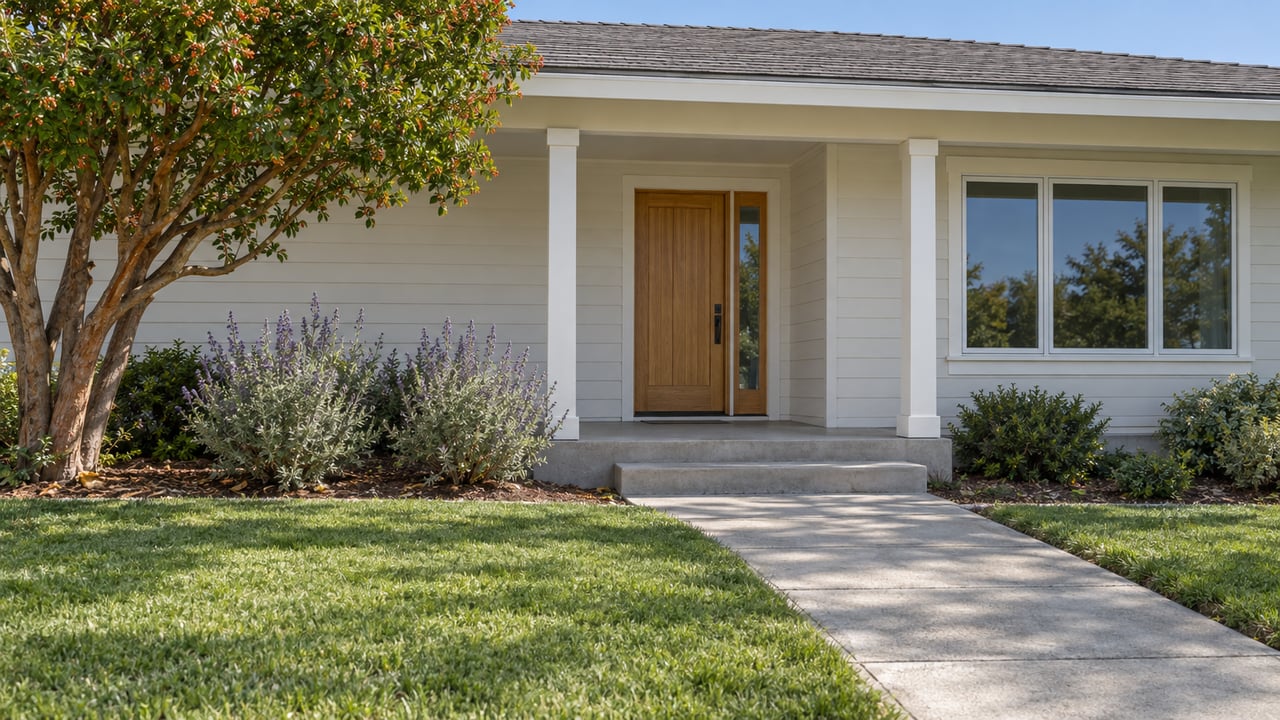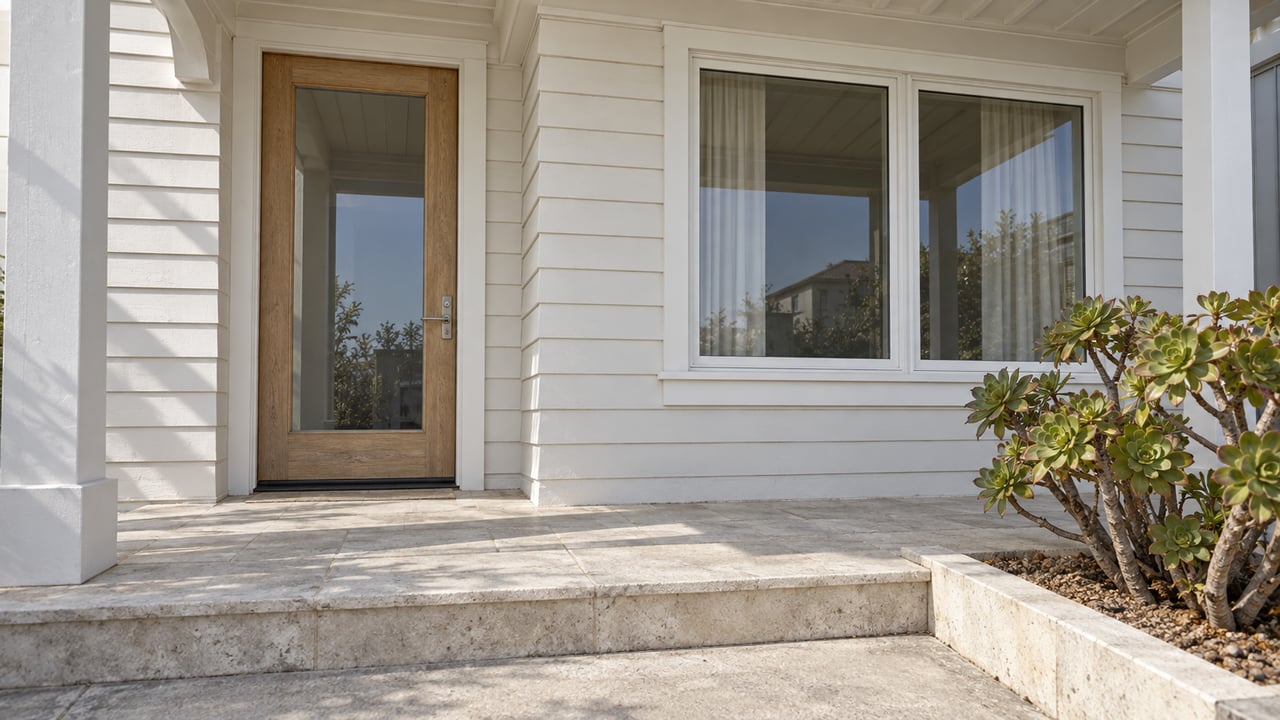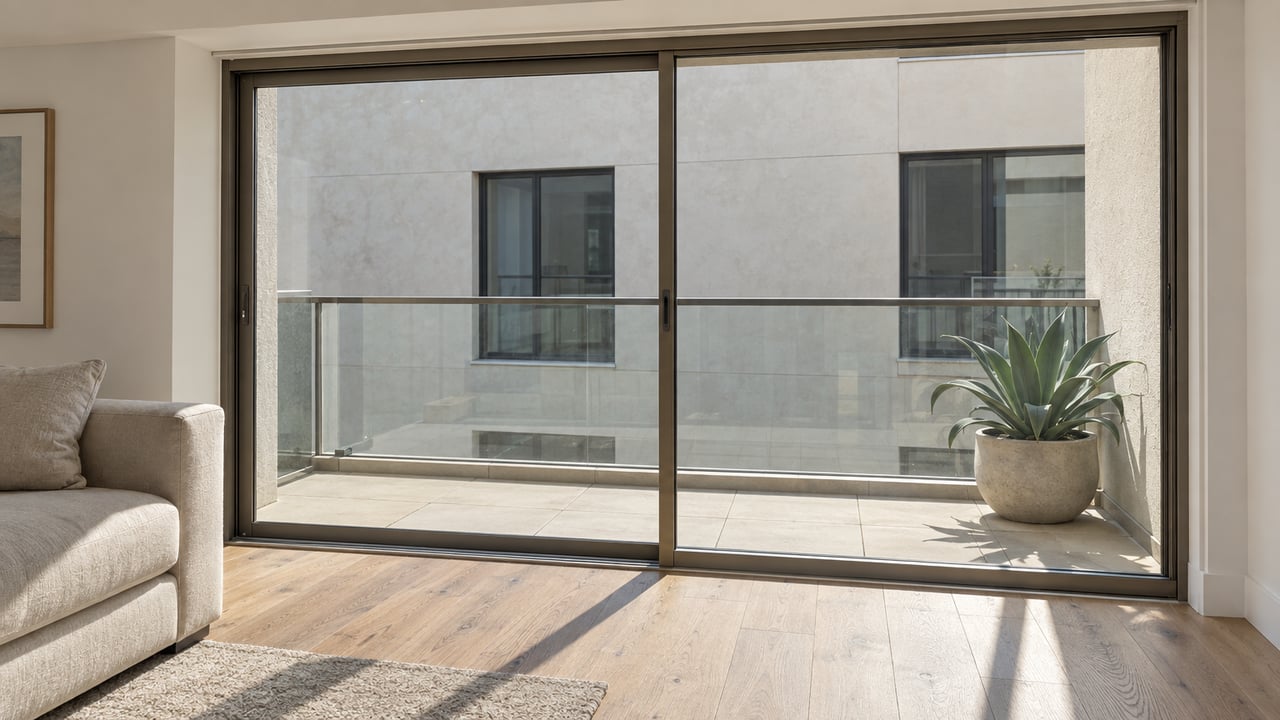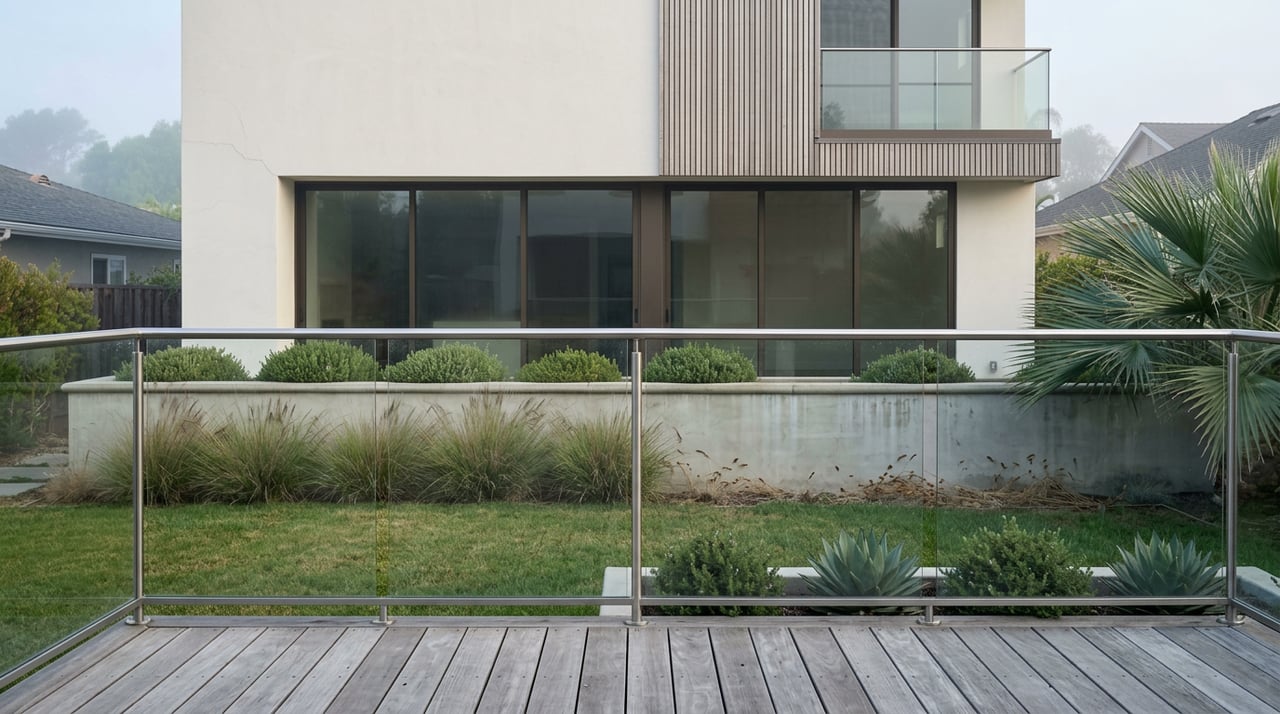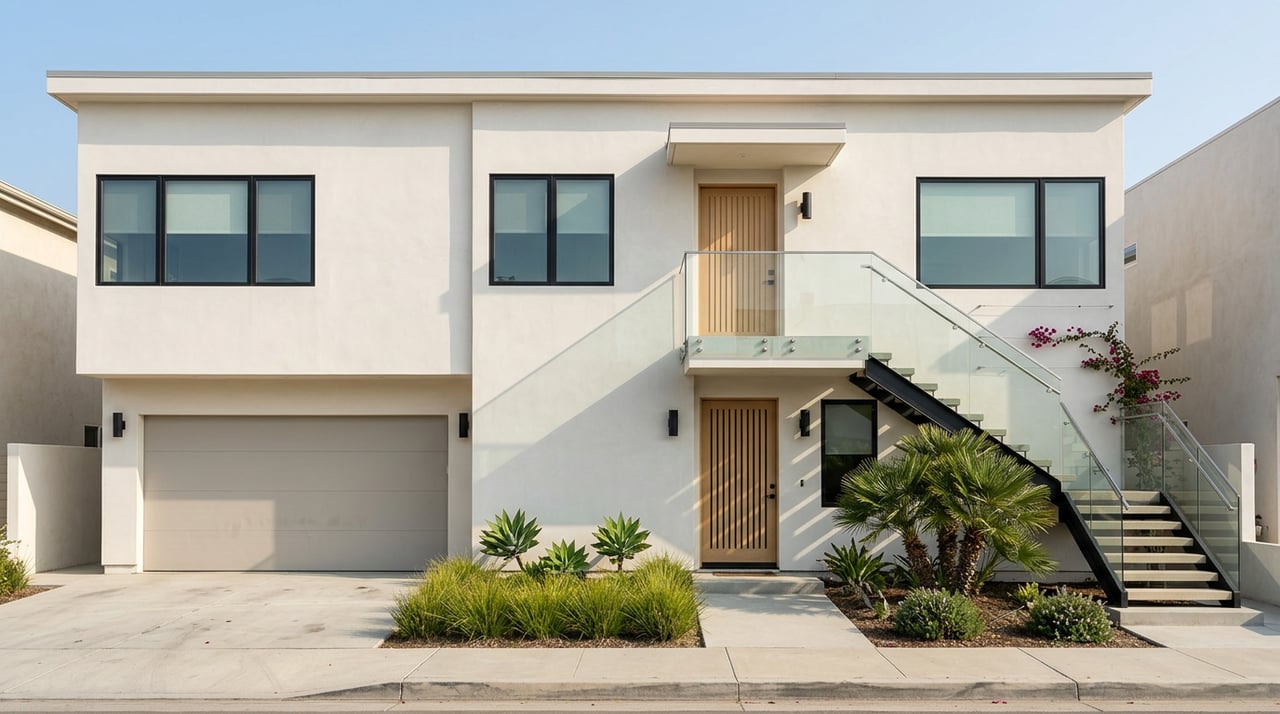
Picture waking up steps from the sand, living in one unit of a classic beach duplex while the other helps cover your mortgage. If that vision has you curious about Sunset Beach, you’re not alone. You want clear answers on what is allowed, how rental income might work, and how to run the numbers before you buy. This guide gives you a practical, local playbook for living and investing in a Sunset Beach duplex, from zoning and short-term rental rules to financing, underwriting, and due diligence. Let’s dive in.
Why Sunset Beach for duplex living
Neighborhood snapshot
Sunset Beach is a compact coastal community within Huntington Beach. The adopted Sunset Beach Specific Plan describes about 134 acres with a narrow oceanfront, a linear park and parking area known as the Greenbelt, and a mix of residential and commercial uses along Pacific Coast Highway. The plan notes roughly 652 residential units arranged at relatively high density for the lot sizes.
This setting delivers what many live-in investors want: beach proximity, a tight grid of walkable blocks, and access to the Greenbelt. The Specific Plan also implements the city’s Local Coastal Program, which brings some unique permitting steps you should understand before you renovate or rebuild.
What local duplexes look like
You’ll see a range of forms: narrow oceanfront cottages, duplexes and triplexes, and small multifamily buildings with many 1-bed and small 2-bed units. Some PCH-front addresses mix ground-floor retail with apartments above, and a handful of waterfront lots back to Huntington Harbour with docks. Much of Sunset Beach is built out, so many opportunities involve reconfiguring or improving existing buildings rather than ground-up development.
Properties within a block or two of the Greenbelt and easy walking distance to the sand are especially attractive to long-term renters and visitors. The Specific Plan highlights the Greenbelt and beach access as defining neighborhood features, which can support tenant demand and longer stays.
Zoning basics to know
Duplexes are a permitted use
The Specific Plan is the controlling zoning for Sunset Beach. In the Residential district, the plan lists duplex dwellings as a principal permitted use. New construction or rebuilds will still go through local administrative review, and some projects will require a Coastal Development Permit.
Coastal and permit review
The Specific Plan implements the city’s Local Coastal Program and interacts with California Coastal Commission oversight for areas near the shore. Depending on the scope of work and location, you may need a Coastal Development Permit for additions, rebuilds, or changes of use. Start your planning by reviewing the Sunset Beach Specific Plan and confirming permit triggers with the city.
Parking and site standards
Off-street parking is required and controlled by city code, with local modifications in the Specific Plan. Stall counts and assignments typically scale by unit size. Studios and 1-bed units often need one assigned space per unit, while 2-bed units generally need two assigned spaces per unit. Always confirm the exact requirement for your address against the Huntington Beach parking standards and the Specific Plan before you buy or design.
Short-term rental rules in Sunset Beach
Huntington Beach’s short-term rental ordinance (HBMC Chapter 5.120) places Sunset Beach in its own zone. Citywide, owner-occupied hosted STRs are allowed. In Sunset Beach, some non-owner-occupied STRs were allowed only if an unhosted permit was applied for by the city’s grandfathering deadline of March 1, 2022. After that date, the city does not issue new unhosted permits in Sunset Beach. All STRs require an annual, non-transferable permit, a displayed permit number on listings, Transient Occupancy Tax collection and remittance, and a 24/7 local contact. Fines and enforcement are active. Review the Huntington Beach short-term rental ordinance to understand the details.
What this means for your plan
- If you plan to live in one unit and host guests in the other, a hosted STR can be an option if you comply with the ordinance.
- If your goal is a full-time, unhosted vacation rental operation, you must verify that the property already holds a valid grandfathered permit. No new unhosted permits are issued in Sunset Beach.
- Budget for the annual STR permit, business license, and the costs of compliance, including TOT collection and a 24/7 contact.
Underwriting a live-in duplex
A step-by-step approach
Use this checklist to estimate income, costs, and returns before you write an offer.
Start with rules and permits. Confirm the property’s zoning and that the existing units are lawful. Ask whether your intended scope requires a Coastal Development Permit or other approvals under the Specific Plan. If short-term income is part of the plan, confirm the status under the STR ordinance, including any grandfathered unhosted permit.
Gather income data. Request the rent roll and leases for any occupied units. For market-rate assumptions, compile recent long-term rent comps for similar 1-bed and 2-bed units on the same block or adjacent blocks. If STR income is allowed, review the property’s historical calendars and pricing where available.
Set conservative occupancy. For long-term rentals, model a 5 to 10 percent vacancy factor to be safe. For STRs, vary occupancy by season, as beach markets are highly seasonal.
Deduct operating expenses. Include property tax, insurance, utilities you pay, repairs and maintenance, management fees, STR permit and business license fees, and reserves. If you plan STR hosting, include cleaning, platform fees, and the time and cost of meeting the ordinance’s compliance items, including TOT remittance required by the STR ordinance.
Calculate NOI and compare. Compute NOI as Effective Gross Income minus Operating Expenses. Derive cap rate as NOI divided by purchase price and GRM as price divided by gross scheduled rent. Regional small multifamily assets often trade at mid single-digit cap rates; compare your result to current small-multifamily listings to check reasonableness.
Stress test the plan. Model higher insurance costs, flood-related expenses, and the impact if STR revenue is reduced by policy changes or enforcement. The Specific Plan references floodplain considerations; include coastal and flood insurance in your expense line.
Key caveats
- STR income is not a simple add-on to long-term rent. Factor in platform fees, higher turnover, cleaning, TOT, and the 24/7 local contact requirement cited in the STR ordinance.
- Coastal conditions can raise insurance costs and may require mitigation work. Confirm FEMA flood zone, elevation, and any floodproofing expectations referenced in the Specific Plan.
- Pricing varies widely by frontage, lot, unit mix, and permit status. Recent small multifamily sales in and near Sunset Beach commonly close in the low to mid millions for prime locations, with interior lots and smaller buildings trending lower.
Financing paths for owner-occupants
FHA for 2–4 units
FHA can finance 1 to 4 units when you occupy one unit, which is why many live-in investors choose this route. Down payment and qualification rules change over time, and local loan limits apply. Review current guidance and talk to an approved lender about FHA’s multi-unit options on the FHA programs page.
Conventional options
Conventional lenders treat 2–4 unit homes differently than single-family. Conforming loan limits for 2–4 unit properties are higher than for one-unit homes, and many lenders apply reserve requirements or program overlays. Ask lenders early about using projected rental income from the other unit to qualify and what documentation they will require.
Due diligence for Sunset Beach addresses
Use this focused checklist during your inspection period:
- Zoning and entitlements. Verify the property’s lawful status and any past permits. Confirm whether your remodel or rebuild will need a Coastal Development Permit under the Specific Plan.
- STR status. If you expect short-term income, confirm whether the address has a valid grandfathered unhosted permit or if only owner-occupied hosting is allowed. Review permit conditions, any violations, and renewal timelines in the STR ordinance.
- Parking count. Compare on-site assigned spaces against code minimums by bedroom count using the Huntington Beach parking standards. A shortfall can limit renovations or future unit changes.
- Flood and insurance. Order a flood zone determination and request insurance quotes, including coastal or flood coverage. Review the Specific Plan sections on floodplain and sea-level considerations.
- Tenant law. California’s Tenant Protection Act (AB 1482) limits rent increases and sets just-cause rules for many rentals. Some owner-occupied duplexes can be exempt in specific cases. Review the state’s overview of AB 1482 and consult counsel as needed: California’s Tenant Protection Act (AB 1482) overview.
- Infrastructure. Sunset Beach’s low-lying setting has prompted planning for sewer bypass and related work. Check for upcoming projects or assessments that could affect your property using resources like the Sunset Beach sewer bypass planning summary.
Living well: the Greenbelt advantage
The Greenbelt and beachfront access define daily life here. When you are one or two blocks from the Linear Park, you enjoy easy walks to the sand and a scenic corridor for morning runs or evening sunsets. That walkability supports tenant demand and can help with marketing both long-term and permitted hosted rentals. For a live-in investor, that added appeal can mean steadier occupancy and stronger retention.
Your next steps with KND
If you are weighing a live-in duplex on the coast, you want a clear plan that fits local rules and your goals. Our team pairs on-the-ground Sunset Beach knowledge with a data-forward approach to help you target the right properties, confirm permits, and build a conservative underwriting model before you write. We can also coordinate a lender introduction for FHA or conventional multi-unit options and connect you with insurance pros for coastal quotes.
Have questions about a specific address, permits, or value? Reach out to Kevin Sullivan for a focused strategy session and a custom property brief. If you are also considering a sale or trade-up, ask about our Compass-powered prep and marketing that helps sellers achieve strong pricing with less friction. Get a Free Home Valuation.
FAQs
What are the short-term rental rules for Sunset Beach duplexes?
- Sunset Beach allows owner-occupied hosted STRs citywide, but new unhosted permits are not issued; only properties with a valid grandfathered unhosted permit may operate that way under the STR ordinance.
Do I need a Coastal Development Permit to remodel a Sunset Beach duplex?
- Many additions, rebuilds, or changes of use near the coast can require a Coastal Development Permit; confirm triggers for your address in the Sunset Beach Specific Plan and with city staff.
How many parking spaces must a Sunset Beach duplex provide?
- Stall counts depend on unit size and configuration; refer to the Huntington Beach parking standards and verify requirements for your specific property during due diligence.
Can I use FHA financing to buy a Sunset Beach duplex if I live in one unit?
- Yes, FHA can finance 1–4 unit properties for owner-occupants; review current rules and local loan limits on the FHA programs page and speak with an approved lender.
Are rent increases limited for Sunset Beach duplex rentals?
- Many California rentals fall under the Tenant Protection Act (AB 1482) for rent caps and just-cause rules; some owner-occupied duplexes can be exempt, so review the state’s AB 1482 overview and confirm the status for your units.
What risks should I budget for when underwriting a Sunset Beach duplex?
- Model higher coastal insurance costs, flood-related expenses, and potential STR revenue changes; the Specific Plan addresses floodplain factors, and the STR ordinance sets permit, TOT, and compliance requirements that affect net income.