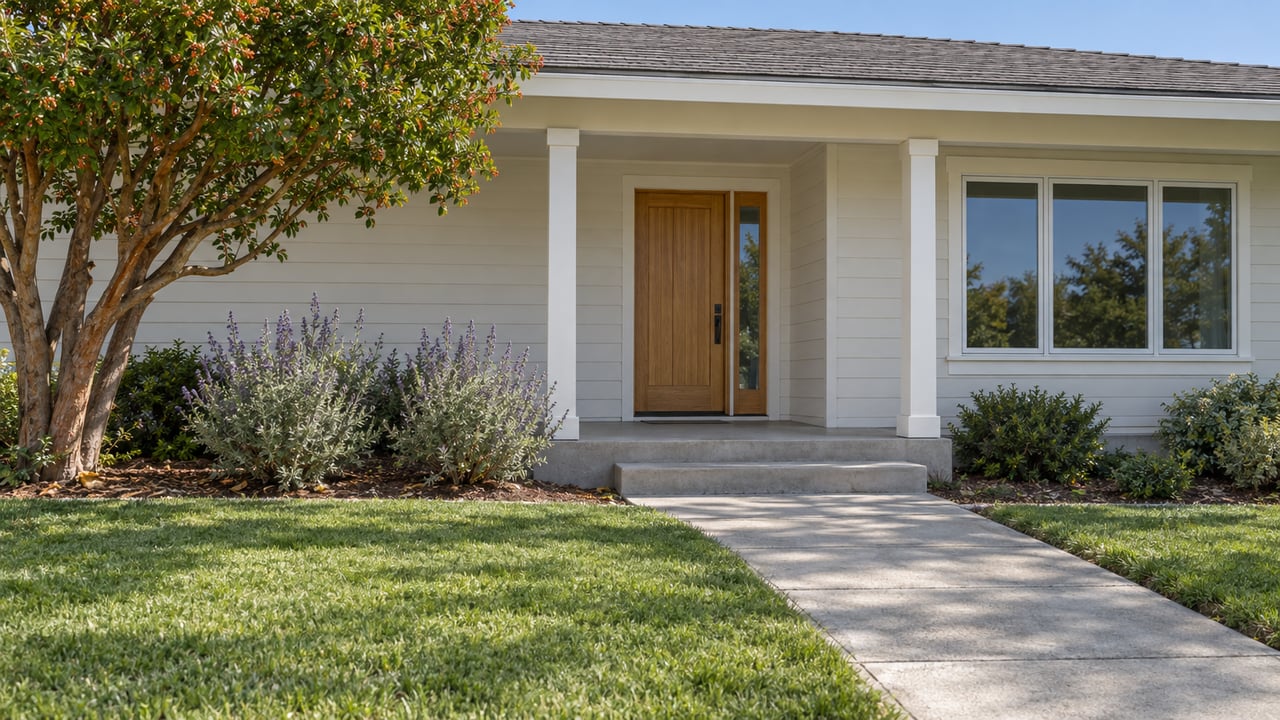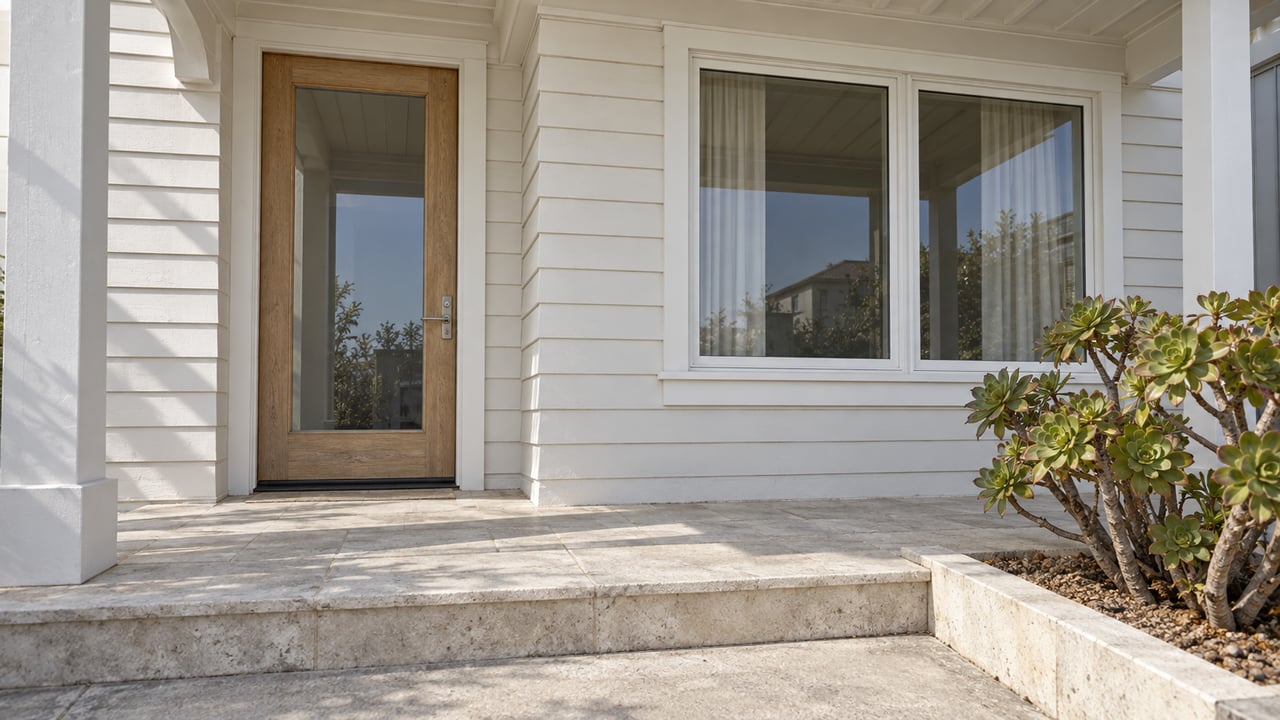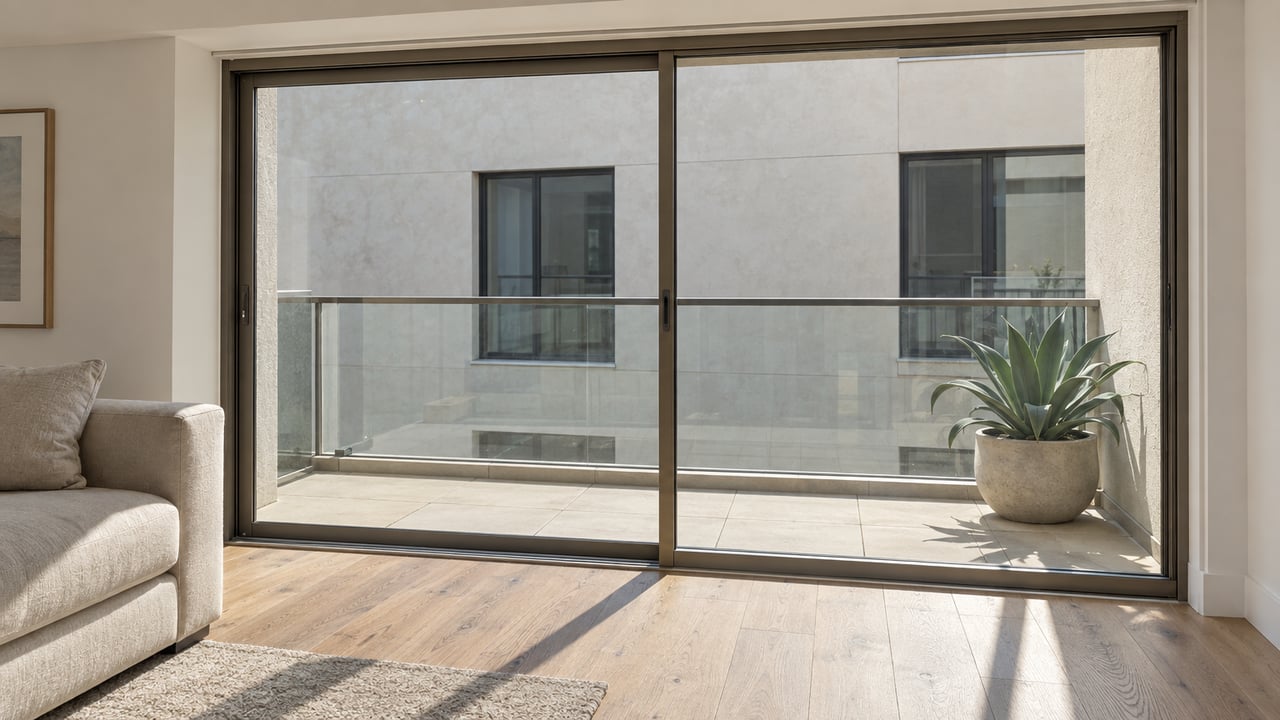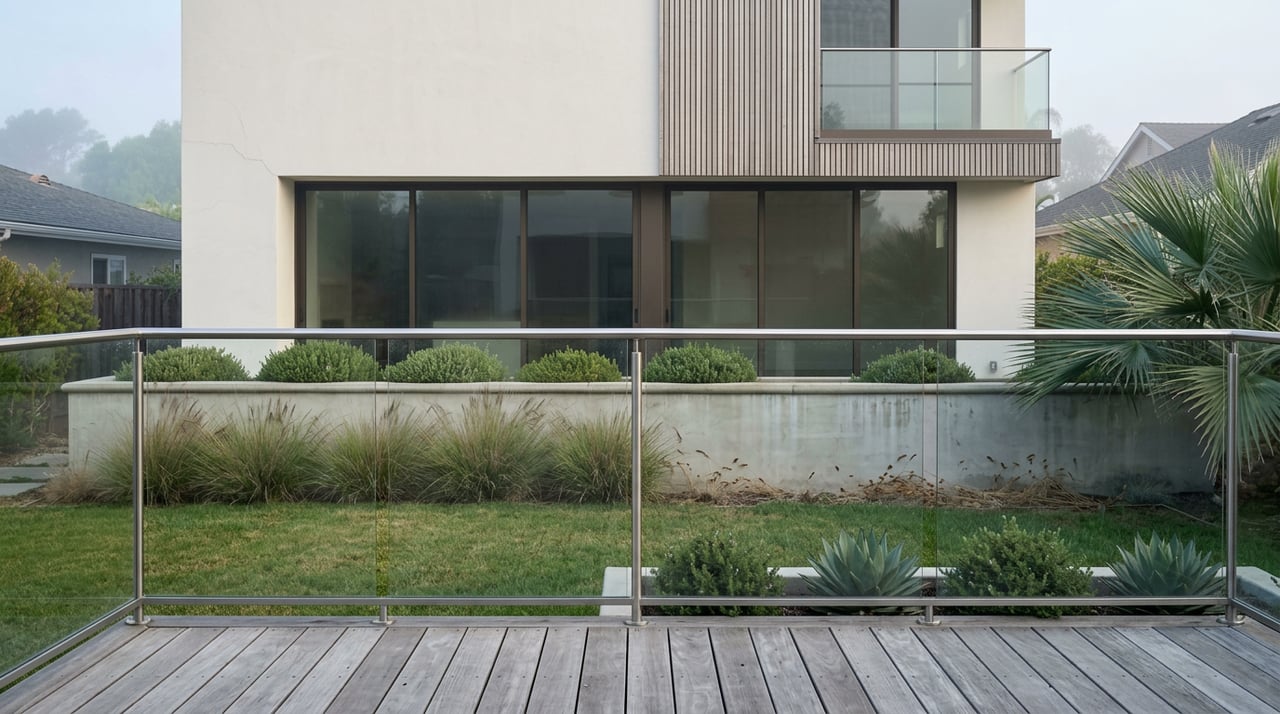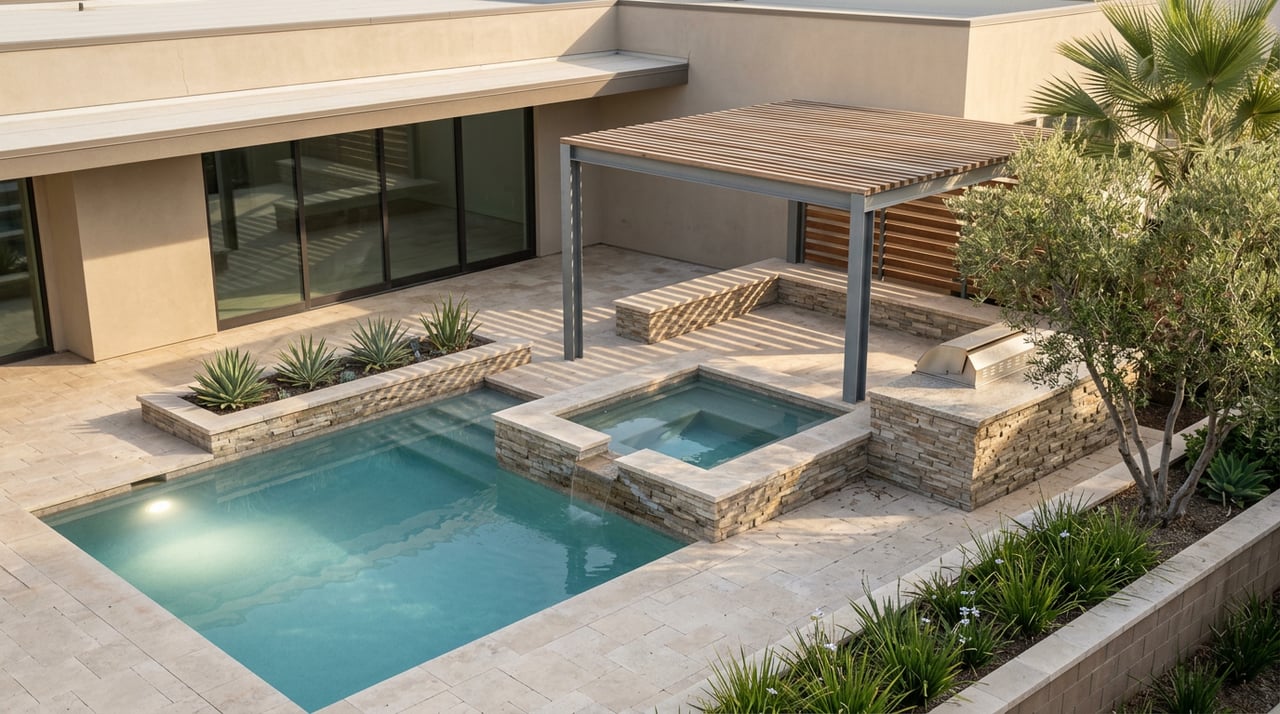
As reported by Citizen Portal, project manager Jonathan Bailey, who is overseeing the newest remodel at The Huntington Club, described four small buildings this way: "These are exclusively meant for members and guest members." The buildings are bungalows, four of them, ranging from 883 to 1,865 square feet, plus two loft units tucked above a rebuilt clubhouse. None of it sounds dramatic until you learn that building them means tearing out four of the club's tennis courts, and that more than 680 people signed a petition asking the city to slow the whole project down.
If you live in Seacliff, you already know the club by one of two names. Longtime residents still call it Seacliff Country Club. Newer arrivals know it as The Huntington Club. Either way, the 1966 golf course designed by Press Maxwell sits at the literal center of the neighborhood, the same anchor that Seacliff Estates and Seacliff on the Greens were built around when those gated enclaves went in during the late 1980s and 1990s. What happens inside that club rarely stays contained to it. This year, it hasn't.
Four Courts, Four Bungalows, One Petition
On January 27, 2026, the Huntington Beach Planning Commission approved a remodel filed under Conditional Use Permit No. 22-011 and Coastal Development Permit No. 22-009. The approved plan replaces the club's aging two-story tennis clubhouse with a new 12,446-square-foot facility, adds a Junior Olympic pool, and builds four single-story bungalows plus two lofts above the new clubhouse, all restricted to members and their guests.
Getting there required removing four tennis courts. Eighteen speakers showed up to object at the hearing, and Jim Hartman, speaking on behalf of club members, told commissioners he had collected signatures from over 680 individuals opposing the proposed bungalows and lofts. The petition raises a question about how to classify the bungalows: overnight lodging restricted to members, on land zoned Open Space-Recreation.
That distinction turns out to matter more than it sounds like it should.
For context, Bailey reported at the hearing that the club had roughly 225 tennis members.
The Club Behind the Fight
The club's current offerings provide context for the proposed guest bungalows and Junior Olympic pool.
| A Decade Ago | Today | |
|---|---|---|
| Core identity | Golf-first private club | Resort-style club with golf, tennis, and pickleball |
| Racquet sports | Tennis only | 13 tennis courts plus 8 dedicated pickleball courts |
| Membership tiers | Golf, tennis, social | Golf, tennis, pickleball-only, performance and recovery |
| Recent capital work | — | 2024 lounge and locker room retrofit; 2026 clubhouse and bungalow project |
| Public events | Member tournaments | Surf City Fire Foundation's Pickle Palooza charity tournament, April 2026 |
In 2024, JRM Construction West completed a full retrofit of the clubhouse's lower level, updating the men's and women's lounges, locker rooms, and kitchens. The club now runs membership categories built specifically around pickleball and wellness, tiers that didn't exist when the course opened in 1966. In April 2026, the club hosted the Surf City Fire Foundation's second annual Pickle Palooza tournament, a charity event that was capped at 30 teams and was expected to sell out quickly, raising money for local firefighters.
The bungalow proposal would add member-and-guest overnight lodging alongside the club's golf, tennis, pickleball, and performance-and-recovery offerings.
Why the City's Own Rulebook Complicates the Bungalows
The dispute turns on whether these stays are treated as club lodging or short-term rentals.
Huntington Beach Municipal Code Section 5.120 bars residents from renting their own homes for stays under 30 days without specific authorization. It's the same rule that keeps a homeowner near the club from listing a guest house on a short-term rental site. The petition organized against the bungalow project argues the club is asking to do something functionally similar, member-only overnight stays of under 30 days, through a Conditional Use Permit rather than the zoning process that would normally govern that kind of lodging use in an Open Space-Recreation district.
City staff and the applicant read it differently. Bailey told the Planning Commission the bungalows exist purely for members and their guest families, describing them as club lodging rather than a commercial rental operation, and said revenue from the bungalows would help fund other improvements at the club. The Planning Commission sided with that interpretation and approved the project, while directing staff and the applicant to look into lighting for the tennis courts that remain.
The city's environmental review for the project was processed under a Class 32 categorical exemption, most recently updated on April 22, 2026. That's the same exemption category typically used for infill projects that don't raise significant land use questions. Opponents argue that category doesn't fit a project built around overnight stays. Whether that disagreement gets tested further isn't settled.
Where Things Stand This Month
As of August 2026, the Planning Commission's January approval stands. The Design Review Board signed off on the design details back in September 2025, capping the bungalows at 17 feet 3 inches, well under the roofline of any neighboring home. The city's most recent CEQA filing, dated April 22, 2026, typically signals an entitlement process closing out ahead of building permits, though no public construction timeline has been posted yet.
What's already certain: four tennis courts are going away, the bungalows and lofts are approved to be built, and the club that has anchored this neighborhood since before most current residents arrived is going to look and function differently once this remodel wraps.
For a neighborhood built quite literally around one club, that's not a small shift. Whether you've played on those courts for twenty years or just picked up a pickleball paddle last summer, it's worth paying attention to what goes up next door. If you're curious how changes like this one tend to ripple through a neighborhood over time, or you just want a second set of eyes on what's happening around Seacliff, the team at KND Real Estate Group has been tracking this stretch of Huntington Beach closely and is always glad to talk through what we're seeing on the ground.
This article is general information, not legal, tax or financial advice. Consult a qualified professional about your situation.