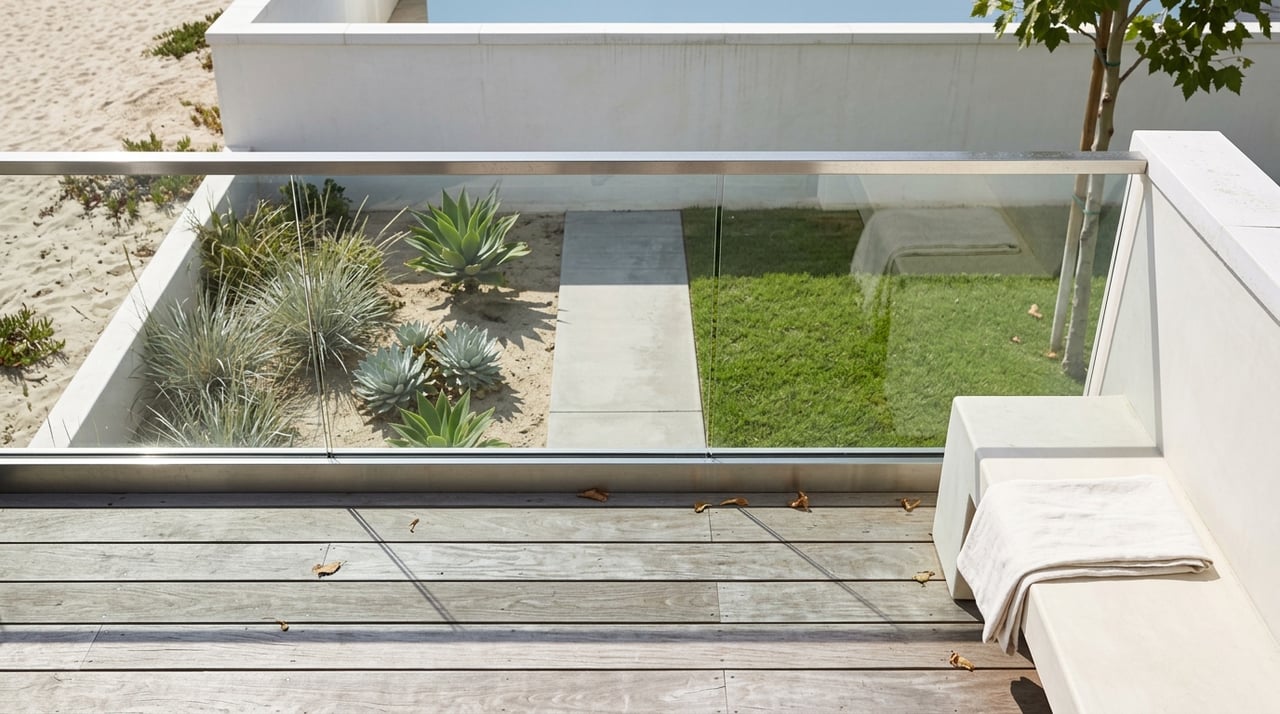
If you picture Sunset Beach as one simple strip of sand, you may miss what makes it so appealing. This small coastal community offers two distinct ways to live by the water, and the right fit depends on how you want your days to feel. If you are weighing oceanfront living against the Greenbelt and bay side, this guide will help you understand the tradeoffs, the housing mix, and the lifestyle each setting supports. Let’s dive in.
Sunset Beach Is Small but Varied
Sunset Beach is a compact coastal community in Huntington Beach that spans about 134 acres and roughly 1.2 miles. According to the city’s specific plan, it has about 652 residential units and around 1,300 residents. It is also described as almost fully built out, which means buyers are usually choosing among existing homes, remodels, and rebuilds rather than new subdivision inventory.
That matters because Sunset Beach is not one uniform neighborhood. The area is organized into several distinct strips, from the beach and oceanfront homes to the Greenbelt, inland residential blocks, mixed-use areas along Pacific Coast Highway, and homes near Sunset Island and Park Avenue. In real terms, your experience can change a lot from one block to the next.
Oceanfront Living in Sunset Beach
Oceanfront living in Sunset Beach is the most direct beach-house experience available in the community. These are the residences along South Pacific Avenue, where the ocean sits right in front of the property line with no roadway, bike path, or parking lot in between. If your goal is to step outside and feel immediately connected to the sand and surf, this is the clearest version of that lifestyle.
The beach itself is very public and active. The city’s specific plan says shoreline access is maintained through 27 street-end access points, and the beach supports swimming, surfing, fishing, and outdoor recreation, with seasonal lifeguard service. That creates an open, energetic setting rather than a secluded beachfront environment.
What the housing looks like
The oceanfront residential district permits several housing types, including:
- Single-family homes
- Duplexes
- Residential condominium projects
- Community apartment projects
Because Sunset Beach is nearly built out, the inventory along the oceanfront tends to be limited and highly individualized. You are more likely to find one-of-a-kind homes with different eras, layouts, and architectural styles than rows of similar properties.
What daily life feels like
If you choose oceanfront living, your routine is shaped by direct beach access and uninterrupted coastal views. This side of Sunset Beach may be especially appealing if you value:
- Front-row access to the sand
- Easy surf and beach use
- Wide-open ocean views
- A classic coastal second-home feel
For many buyers, this is the dream version of beachfront living. You are choosing immediacy, visibility, and a strong connection to the shoreline.
What to think about carefully
Oceanfront living also comes with more direct coastal exposure. The city’s specific plan references storm flooding along South Pacific Avenue and Pacific Coast Highway during a major 1983 storm, along with the artificial dune and berm improvements that followed. In practical terms, that means oceanfront buyers should think not only about views and access, but also about the realities of living at the sand line.
This side of Sunset Beach is shaped by factors like storm exposure, erosion management, and flood-related design considerations. For some buyers, that is part of the appeal and part of the responsibility. It is important to understand that the benefits of being closest to the ocean come with a more exposed setting.
Greenbelt and Bay Living in Sunset Beach
If the oceanfront is the sand-first version of Sunset Beach, the Greenbelt and bay side offers a more flexible coastal experience. This side combines park access, a wider housing mix, and a stronger connection to the harbor environment. For many buyers, it feels easier to use day to day while still keeping the coast close.
The Greenbelt itself is a 13-acre linear park and public parking facility built along the old Pacific Electric right-of-way. The city says it includes pathways, picnic areas, a tot lot, five restroom buildings, and 624 parking spaces. That gives this part of Sunset Beach a distinct park-and-access character.
What the housing looks like
The housing on this side is more varied than the oceanfront strip. The land-use pattern includes:
- Homes along North Pacific Avenue and side streets
- Mixed residential-commercial buildings on both sides of Pacific Coast Highway
- Homes on Sunset Island and near Park Avenue
- Higher-density residential and mixed-use areas
That broader mix can create more options in form and setting. Some properties feel more residential and tucked in, while others are closer to mixed-use activity, water views, or harbor-oriented access.
What daily life feels like
Living near the Greenbelt and bay side often means your routine centers less on stepping straight onto the sand and more on access, convenience, and variety. This side may be a better fit if you value:
- Park space as part of everyday life
- Easier parking access nearby
- Harbor walks and channel views
- A more mixed-use coastal setting
- A year-round lifestyle that feels less exposed than the oceanfront
For some buyers, that balance is the sweet spot. You are still in Sunset Beach, still close to the coast, but with a different rhythm.
Boating and Harbor Access Matter More Here
The bay and channel side has a stronger connection to boating and marina life. The city’s specific plan states that inland waterways are to remain publicly accessible and maintained as public waterways, while private docks and bulkheads may exist under permit. It also notes that private docks are available in Sunset Channel next to residential and commercial properties.
That said, there is an important distinction between waterfront access and public launch convenience. The plan says there are no public boat-launch sites in Sunset Channel except for hand-carried, non-trailerable boats at limited beach points. So if boating is a major part of your lifestyle, the real convenience often comes from private docks and nearby marina infrastructure rather than a broad public launch setup within the channel itself.
In the broader Sunset Harbour area, OC Parks describes five marinas, about 3,000 boats, and more than 1,500 residences on the water. The Sunset Marina Park history also notes a 276-slip marina and a public boat launch ramp nearby. For buyers drawn to harbor living, that context helps explain why the Greenbelt and bay side can feel especially attractive.
Oceanfront or Greenbelt: How to Choose
Both sides of Sunset Beach deliver a coastal lifestyle, but they do it in different ways. The best choice usually comes down to what you want to prioritize when you picture daily life.
| Lifestyle Focus | Oceanfront Side | Greenbelt and Bay Side |
|---|---|---|
| Beach access | Direct and immediate | Close, but not front-row |
| Views | Uninterrupted ocean views | Park, channel, harbor, or mixed views |
| Setting | Open, public-facing beach environment | Park-oriented and harbor-adjacent |
| Housing mix | Small, customized coastal inventory | Broader mix of homes and mixed-use buildings |
| Exposure | More directly shaped by coastal conditions | Generally less sand-line exposure |
| Boating connection | Secondary | Stronger connection to docks and marinas |
Choose oceanfront if you want
- The most direct beach-house experience
- Front-row sand access
- Strong ocean views as a top priority
- A home that feels centered on surf and shoreline living
Choose the Greenbelt and bay side if you want
- More variety in housing type and setting
- A park-oriented daily routine
- Better connection to harbor life and boating amenities
- A coastal lifestyle that may feel more practical year-round
Why This Choice Matters for Buyers
In a place like Sunset Beach, small location differences can have a big impact on how a home lives. Since the community is nearly built out, inventory is limited and highly specific. That makes it especially important to match the block, exposure, access pattern, and surrounding land use to your actual goals.
If you are buying for lifestyle, a vacation property, or a long-term coastal move, the right choice is rarely just about square footage. It is about whether you want your front door to open toward the sand, the park, the harbor, or a blend of all three.
KND Real Estate Group helps buyers and sellers navigate Huntington Beach micro-markets with a local, consultative approach. If you are comparing Sunset Beach blocks, evaluating waterfront tradeoffs, or preparing to buy or sell in this coastal pocket, connect with KND Real Estate Group for tailored guidance.
FAQs
Is the beach in Sunset Beach public?
- Yes. The city’s specific plan says shoreline access is maintained through 27 street-end access points, which preserves public beach access.
What types of homes are available in Sunset Beach?
- Sunset Beach includes single-family homes, duplexes, condos, community apartment projects, mixed-use residential-commercial buildings, and other multi-unit residential forms depending on the area.
Is oceanfront living in Sunset Beach more exposed?
- Yes. The city’s specific plan discusses storm flooding, dune and berm improvements, and flood-related design considerations along the oceanfront area.
Does the Greenbelt side of Sunset Beach feel different from the oceanfront?
- Yes. The Greenbelt side is shaped more by park space, pathways, parking access, harbor adjacency, and a broader mix of housing types.
Is boating part of the Sunset Beach lifestyle?
- Yes. Boating is more closely tied to the bay and channel side, where private docks, nearby marinas, and harbor infrastructure play a larger role.
Are there many new homes being built in Sunset Beach?
- Not typically. The city describes Sunset Beach as almost built out, so the market is more about existing homes, remodels, and rebuilds than large new developments.